
“Always remember you’re a husband with a job, not a teacher with a family.”
This was the best advice I received as I was about to start my first year as a high school math teacher. It was from Dr. Susan LaGrassa, my math education faculty advisor at Truman State University.
Like most great advice, it’s evergreen and transfers to multiple situations. Until recently, I had thought it was just advice for setting priorities and work-life balance.
But the core of this advice is rooted in identity.
This advice was really about deciding, in any given moment, which identity to lead with. I’ve made that kind of calculation in plenty of situations that had nothing to do with being a husband or a teacher, but everything to do with whether I’d be seen as someone who belonged.
At every gathering – classes, meetings, presentations, picnic, conference, etc. – every person in the room has multiple identities. And as I noted last week, those identities inform how each person engages with others at in-person gatherings. Our thoughts, behaviors, and sense of belonging will vary depending on the moment, the context, and our conscious and subconscious awareness.
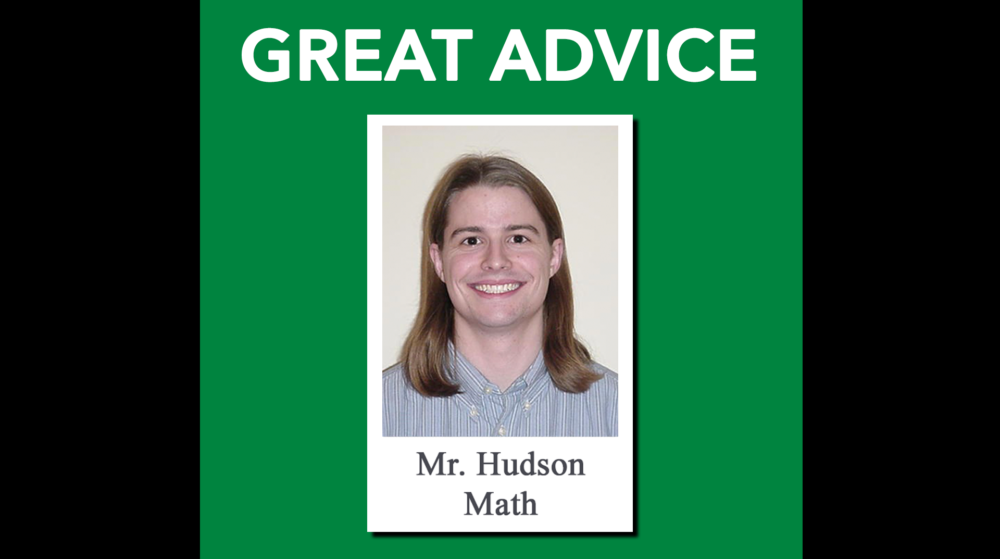
For example, I rarely think about the fact that I have long hair. It isn’t uncommon for a man to have long hair in the United States, but it also isn’t traditional. When I was a first-year teacher (pictured above), I confirmed with my assistant principal that it was OK for me to have long hair.
But when I started to apply for school and district leadership positions, I cut my hair and grew a goatee (deliberately not pictured above). I made those changes to my appearance because I didn’t believe I could get hired as an assistant principal if I was a young, long-haired guy.
That decision was rooted in identity and my sense of “who belongs” as a school building or district leader based on one’s physical appearance.
I’m fortunate that these were cosmetic factors within my control. And when I made those changes, my physical characteristics reflected a more conventional view of my identities as a cisgender straight white man. I’m also fortunate that these identities did not present any barriers to my employment potential as a school administrator. In fact, they probably made things easier.
What’s most important is that if I didn’t look young and have long hair, I probably wouldn’t have given any thought to how my appearance relative to my identity impacted my employment potential or sense of belonging as a school leader.
It’s a luxury to never have to wonder if your physical appearance may impact your employment.
That’s the core issue for our work here at Gathering Points. In any gathering, we should consider:
- Who feels like they belong in the room and why?
- What identities do people in the room have, and which might they feel like they have to change in order to enter the room?
- What’s gained when everyone feels comfortable bringing their full selves into the room?
- What’s lost when someone feels they have to hide some of their identities because they don’t feel accepted or because others in the room have dehumanizing views?
If people in the gathering don’t feel like they belong or don’t feel safe, then it’s difficult for them to bring their best selves to the work.
So the best thing leaders and teammates can do to get full commitment and energy from the group and each person is to build on what I shared last week:
Instead of simply preventing spaces from being unwelcoming, actively make them welcoming.
Here are three simple steps to creating welcoming spaces, building on the same ideas from last week.
- Remove barriers to belonging. Affirm and welcome everyone early and often.
- Make sure your policies and practices loudly send the message that certain people, or certain ways of being, are welcome (provided they aren’t dehumanizing to others).
- Celebrate that we all have multiple identities and use those identities to strengthen the gathering. Invite people to share how their identities impact how they engage and what matters to them.
Whether consciously or not, we usually all engage with one identity taking priority over others. And the best gatherings make room for all of them, and all of us.
In the next issue…
We’ll look at what needs to happen in gatherings once a sense of belonging has been cultivated in the room. Affirming identities is a worthy goal on its own. And it’s also the necessary first step to achieving the broader collective goals a gathering is trying to achieve.
Have a gathering that went surprisingly well — or one that taught you something the hard way? We’re always looking for stories and voices to feature in Gathering Points. Reach out any time.
Get the next issue of Gathering Points.